
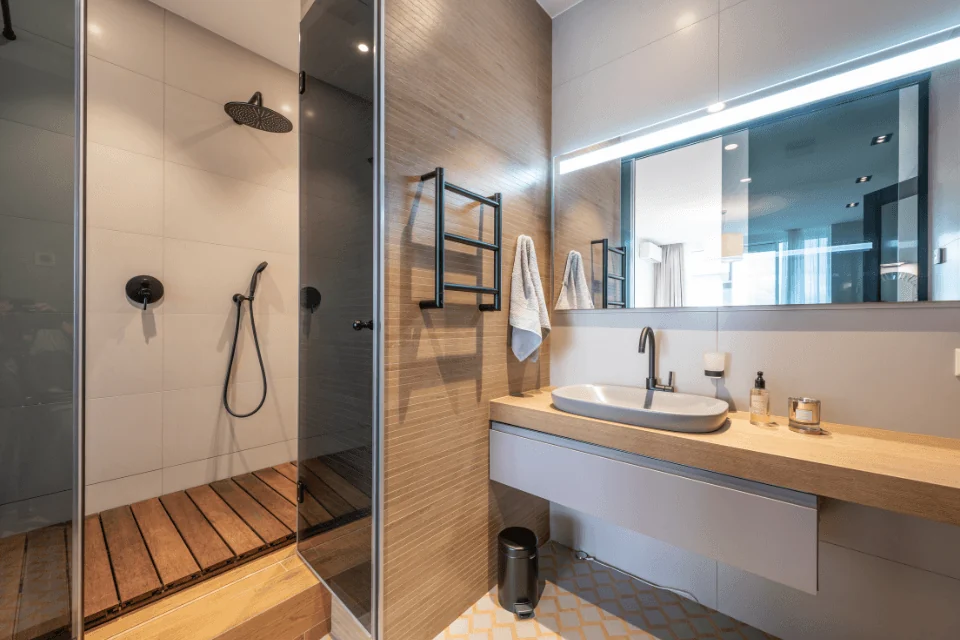
For generations, residential bathroom design operated under an unwritten rule: form could change, but function remained strictly mechanical. Tiles might shift from mid-century pastels to modern subway ceramics, but the core systems—gravity-fed porcelain, basic mixing valves, and toggle-switch ventilation—stayed largely identical for nearly a century. The primary objective was straightforward utility, built to handle water delivery and waste removal with minimal fuss.
Over the past few years, that static dynamic has broken wide open. Technology is transforming the bathroom from an isolated utility closet into an intuitive personal sanctuary. Crucially, the most significant upgrades are not flashy screens or gimmicky novelties meant to turn the room into a digital command center. Instead, modern bathroom innovation focuses on frictionless automation, quiet efficiency, and wellness features that integrate so seamlessly into daily routines they are felt rather than seen.
Precision Bathing and Digital Water Control
Anyone who has stepped into a shower only to spend two minutes fiddling with a stubborn handle understands the limits of traditional manual plumbing. Digital shower valves have eliminated that friction by replacing mechanical levers with microprocessors and electronic mixing chambers.
Rather than guessing at valve angles, homeowners can now dial in water temperature down to the exact degree. These systems store personalized user profiles, remembering specific heat preferences, water flow rates, and preferred fixture combinations—whether that means an invigorating morning rainfall showerhead paired with high-pressure body jets or a gentler, cooler spray for an evening rinse.
Beyond pure luxury, digital water management addresses long-standing household inefficiencies. Smart recirculation pumps and digital valves can purge cold lines and pause water flow once the target temperature is reached, signaling the user via subtle audio tones or ambient lighting cues. This eliminates gallons of water wasted down the drain while waiting for hot water to travel from the water heater. Furthermore, thermostatic digital regulators prevent the sudden scalding or freezing surges triggered when a dishwasher starts or a washing machine fills elsewhere in the house.
The Cultural Shift Toward Intelligent Toilets
While smart toilets and integrated bidet systems have been household staples in parts of Asia and Europe for decades, they have rapidly transitioned from an eccentric luxury to a design standard across North America. The driver behind this adoption is a growing recognition that dry paper is fundamentally inferior to water for personal cleanliness.
Modern intelligent toilets combine advanced cleansing wands with customizable water pressure, oscillating spray patterns, pulse massage modes, and integrated warm-air dryers. The user experience is hands-free from start to finish, with proximity sensors that automatically raise the lid upon approach and initiate an optimized dual-flush when the user departs.
The technology extends deep into hygiene maintenance. Many flagship units now mist the porcelain bowl with electrolyzed water before and after each use, breaking down microscopic waste and preventing bacteria buildup. Coupled with non-stick ceramic glazes and ultraviolet wand sanitization, these fixtures drastically reduce the need for harsh chemical cleaners and manual scrubbing. For homes where replacing the entire porcelain footprint is impractical, retrofit electronic bidet seats deliver identical core features while wiring cleanly into existing GFCI outlets.
Circadian Illumination and Adaptive Mirrors
Lighting is frequently the most compromised element in traditional bathroom layouts. A single harsh overhead bulb or an unshielded vanity light often creates unflattering facial shadows, causes morning eye strain, and disrupts natural sleep architecture late at night.
Smart bathroom lighting solves this through circadian rhythm programming. By synchronizing with the time of day, automated LED fixtures shift both intensity and color temperature automatically:
-
Morning routines are met with crisp, high-CRI (Color Rendering Index) light near 5,000 Kelvin, mimicking natural morning sunlight to promote alertness and ensure true-to-life color accuracy for grooming and makeup application.
-
Evening wind-downs soften into warm, diffused amber tones that avoid suppressing melatonin production, creating a relaxing, spa-like environment before sleep.
-
Midnight visits trigger subtle, floor-level pathway guides or soft nightlights beneath the vanity, providing safe navigation without blinding the user or jolting them fully awake.
Smart mirrors have simultaneously matured. Early concepts burdened mirrors with bulky touchscreen displays and distracting weather widgets that aged poorly. The modern generation focuses on functional elegance: integrated defogging pads wired directly into mirror glass, capacitive touch dimming, and perimeter backlighting that eliminates front-facing glare while keeping the reflective surface immaculate.
Behind the Drywall: Predictive Environmental Controls
Some of the most valuable technological advancements in modern bathrooms are completely invisible, operating quietly behind walls and under finished floors to protect structural integrity and reduce energy costs.
Humidity-Sensing Ventilation
Standard exhaust fans depend on manual switches, meaning they are either forgotten entirely or left running for hours after a shower. Modern ventilation fans incorporate sensitive digital hygrometers that constantly monitor ambient dew points. The fan activates automatically when moisture levels spike during bathing, adjusts its CFM (cubic feet per minute) speed dynamically based on vapor density, and powers down only when the room returns to baseline humidity. This persistent micro-climate management stops toxic mildew, black mold, and paint peeling before spores can take hold.
Programmable Radiant Flooring
Cold tile floors are one of the most persistent discomforts of conventional bathrooms. Smart underfloor electric heating cables eliminate this issue by pairing with intelligent thermostats. Instead of running inefficiently all day, these systems learn household schedules, bringing floors to a comfortable warmth thirty minutes before the morning alarm sounds and resting during vacant work hours.
Whole-Room Leak Mitigation
Water damage represents one of the single costliest home insurance claims, and bathrooms are prime hazard zones. Smart micro-sensors placed behind toilets, beneath free-standing tubs, and inside vanity cabinets communicate directly with whole-house shutoff valves. If an internal supply hose cracks or an overflow occurs, the system detects moisture within seconds, cuts the main water line instantly, and dispatches a notification to the homeowner’s smartphone, turning a potential disaster into a minor maintenance chore.
Prioritizing Practical Ergonomics Over Tech Novelty
As technology continues to permeate bathroom architecture, the most successful designs prioritize durability and physical intuition. The bathroom is a high-moisture, high-wear environment, making complex touchscreens and fickle voice controls problematic when water is running or acoustics echo off glass and tile.
The best installations favor tactile wall controls with clear presets, robust wireless communication standards like Matter, and hardware from manufacturers with deep plumbing pedigrees. Upgrading to a modern smart bathroom is ultimately not about packing maximum gadgetry into square footage. It is about deploying purposeful engineering that simplifies daily maintenance, conserves water and electricity, and transforms standard personal hygiene into an effortless, rejuvenating ritual.