
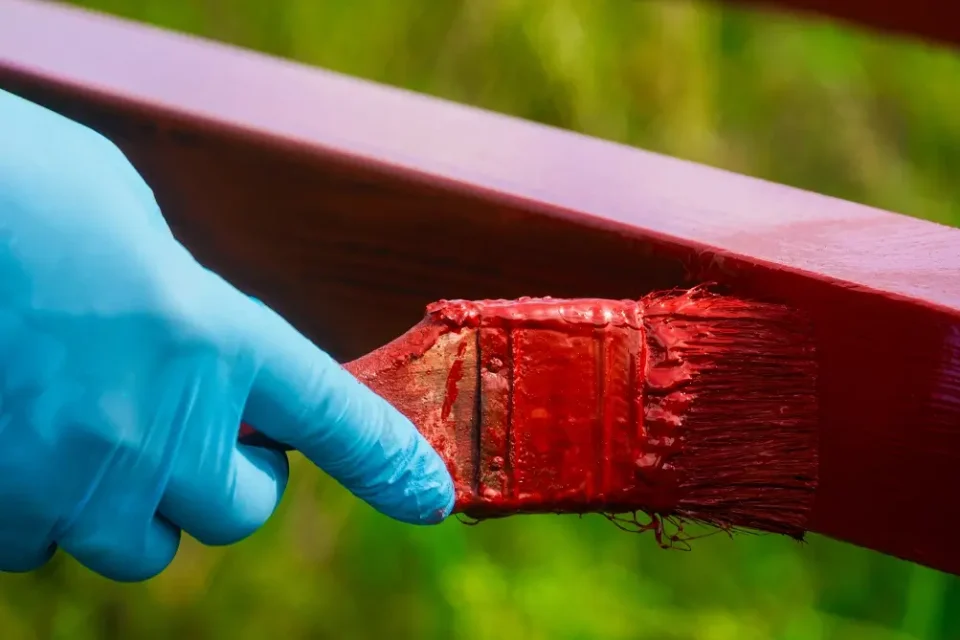
Painting metal might appear straightforward, but achieving a durable, professional finish requires more than simply applying a coat of paint. Different metals have different surface properties, and choosing the wrong preparation method can lead to peeling, flaking, corrosion and premature deterioration.
Whether you are refurbishing garden railings, painting metal gates or protecting structural steelwork, understanding the difference between ferrous and non-ferrous metals is an important first step. When selecting Metal paints, it is equally important to consider whether the surface needs a suitable primer before the topcoat is applied.
Builders merchants such as William Hercock can help customers identify appropriate products for different applications, making it easier to select compatible primers and protective coatings.
The key is understanding what the metal is made from and how its surface reacts to paint. This guide explains the differences and how to prepare each type correctly.
What Is Metal Primer and Why Is It Important?
A metal primer is a preparatory coating applied before the finishing paint. Its primary purpose is to improve adhesion while providing an appropriate foundation for subsequent coats.
Depending on its formulation, a primer can also offer protection against moisture, oxidation and corrosion.
Metal surfaces can be particularly challenging to paint because some have smooth, non-porous finishes that make adhesion difficult. Others may develop rust when exposed to oxygen and moisture.
Using the correct primer helps address these issues.
There are several types available, including:
- Anti-corrosive primers for protecting iron and steel.
- Etch primers for improving adhesion to certain smooth metal surfaces.
- Zinc-rich primers for protecting steel against corrosion.
- Universal metal primers designed for specified combinations of metal substrates.
However, not every primer works on every metal. Compatibility should always be checked before application.
Understanding Ferrous Metals
Ferrous metals are materials that contain iron as their principal metallic component.
They are widely used in construction, engineering, manufacturing and domestic applications because of their strength and durability.
Common examples include mild steel, carbon steel and cast iron.
One of their main disadvantages is susceptibility to corrosion. When exposed to moisture and oxygen, untreated iron-containing surfaces can develop rust.
This oxidation gradually weakens the material and can compromise its structural integrity if left untreated.
For this reason, ferrous metals generally benefit from appropriate anti-corrosive preparation before painting, particularly when used outdoors.
Common Types of Ferrous Metals and Their Characteristics
Different ferrous metals have slightly different surface properties, which can influence primer selection.
Mild steel
Mild steel is commonly found in gates, railings, brackets, fencing and structural components. It is relatively easy to work with but can rust when its protective coating deteriorates.
Carbon steel
Carbon steel is frequently used in industrial equipment, machinery and structural applications. Its corrosion resistance depends on its composition and any protective treatment applied.
Cast iron
Cast iron is often used for older railings, decorative features, drainage components and machinery. Its surface can be uneven or textured, requiring thorough cleaning before painting.
For all these materials, removing loose rust, dirt and existing failing coatings is essential before applying a compatible primer.
Understanding Non-Ferrous Metals
Non-ferrous metals do not contain iron as their principal metallic component.
Unlike ordinary steel and iron, many non-ferrous metals naturally resist corrosion or develop protective surface layers when exposed to air.
Examples include aluminium, copper, zinc, brass and lead.
Although they are generally less susceptible to traditional rusting, non-ferrous metals can still oxidise, tarnish or deteriorate over time.
Their surfaces can also be relatively smooth, making paint adhesion more difficult.
This is why selecting an appropriate specialist primer is often necessary, particularly when painting aluminium, galvanised steel or other difficult substrates.
Common Types of Non-Ferrous Metals and Their Characteristics
Understanding the characteristics of different non-ferrous metals helps determine the most appropriate preparation method.
Aluminium
Aluminium is lightweight and naturally develops a thin oxide layer that helps protect it from further corrosion. However, its smooth surface can make paint adhesion difficult without suitable preparation.
Copper
Copper is commonly used in roofing, pipework and decorative applications. Over time, it develops a characteristic greenish patina through oxidation.
Brass
Brass is an alloy of copper and zinc, often used for fittings, handles, fixtures and decorative metalwork. Its polished surface may require specialist preparation to ensure good adhesion.
Galvanised steel
Although steel is technically a ferrous metal, galvanised steel has a zinc coating that protects the underlying material. This protective layer means it often requires a different primer from ordinary untreated steel.
Do All Metal Surfaces Need a Primer?
Not necessarily. Whether a primer is required depends on the metal, the existing surface condition and the paint manufacturer’s recommendations.
Some direct-to-metal coatings are formulated to adhere to appropriately prepared surfaces without a separate primer.
However, bare metal, corroded surfaces and smooth substrates often require specialist preparation and priming.
For example, untreated mild steel generally benefits from an anti-corrosive primer, whereas aluminium may require an appropriate etch or adhesion primer.
Previously painted metal in sound condition may only need cleaning, light abrasion and a compatible finishing coat.
Always check the technical data sheet rather than assuming that one preparation method suits every application.
Choosing the Right Primer for Ferrous Metals
Ferrous metals require particular attention because corrosion can develop beneath an inadequately prepared paint film.
For bare steel and iron, an anti-corrosive primer is usually a suitable starting point.
Common options include:
- Red oxide primer: Traditionally used to protect iron and steel against corrosion.
- Zinc-rich primer: Provides additional corrosion protection through zinc-based formulations.
- Epoxy primer: Offers strong adhesion and durable protection in suitable industrial and demanding environments.
The appropriate choice depends on the exposure conditions and intended use.
For example, exterior railings exposed to rainfall may require a more robust protective system than an indoor metal bracket.
Choosing the Right Primer for Non-Ferrous Metals
Non-ferrous metals often need primers designed specifically to improve adhesion to their particular surface characteristics.
An etch primer is commonly used on suitable aluminium surfaces because it helps create a better bonding surface for subsequent coatings.
Galvanised steel may require a specialist primer formulated to adhere to zinc-coated surfaces.
Copper and brass can also require specialist adhesion products, depending on their condition and the intended finishing paint.
Before purchasing, check that the primer explicitly identifies the metal substrate as suitable. Using an incompatible product can result in poor adhesion, blistering or peeling.
How to Prepare Metal Before Applying Primer
Surface preparation is one of the most important stages of any metal painting project.
Even a high-quality primer can fail when applied over grease, loose rust or contaminated surfaces.
Follow these steps:
- Clean the surface: Remove dirt, grease, oil and other contaminants using an appropriate cleaning product.
- Remove loose rust: Use a wire brush, abrasive paper or suitable mechanical preparation equipment.
- Smooth imperfections: Lightly abrade rough areas and remove loose or flaking paint.
- Remove dust: Wipe the surface clean and ensure no abrasive residue remains.
- Allow it to dry: Ensure the metal is completely dry before applying primer.
- Check the condition: Look for remaining corrosion, damaged coatings or surface contamination.
For heavily corroded metal, more extensive preparation may be necessary.
How to Apply Metal Primer Correctly
Once the surface is prepared, follow the manufacturer’s application instructions.
Most primers can be applied using a suitable brush, roller or spray equipment, depending on the formulation and the shape of the metalwork.
Apply an even coat without allowing excessive product to accumulate around corners, joints or recessed areas.
Pay particular attention to edges and welds, as these can be vulnerable to corrosion.
Allow the primer to dry for the specified period before applying another coat or the finishing paint. Some products also require light abrasion between coats.
Temperature, humidity and ventilation can affect drying times, so avoid painting in unsuitable weather conditions.
Common Mistakes to Avoid When Priming Metal
Several avoidable errors can compromise the quality and longevity of a metal painting project.
Using the wrong primer: A product designed for ordinary steel may not adhere properly to aluminium or galvanised surfaces.
Ignoring rust: Painting directly over loose corrosion can cause the coating to fail prematurely.
Skipping cleaning: Grease and dirt prevent effective adhesion.
Applying excessive paint: Thick coats can dry unevenly and create surface defects.
Ignoring drying times: Applying finishing paint before the primer has cured sufficiently can lead to adhesion problems.
Overlooking environmental conditions: Painting in damp or excessively cold conditions can affect the finished result.
Careful preparation and adherence to product instructions can prevent many of these problems.
Choosing the Right Metal Paint for a Durable Finish
Once the primer has dried, the finishing paint provides the final appearance and an additional layer of protection.
Different formulations offer different performance characteristics.
For example, direct-to-metal paints can combine priming and finishing properties, while specialist enamel coatings provide a hard-wearing decorative finish for suitable applications.
When choosing a finishing product, consider:
- Whether the metal is indoors or outdoors.
- Exposure to rain, sunlight and temperature changes.
- Resistance to abrasion and general wear.
- Desired colour and sheen.
- Compatibility with the selected primer.
For outdoor applications, prioritise products offering suitable weather and corrosion resistance.
A compatible primer and topcoat system will generally provide better long-term performance than selecting products independently.
Conclusion: Getting the Best Results from Metal Painting
Understanding the difference between ferrous and non-ferrous metals is essential when preparing a surface for painting.
Ferrous metals, such as steel and cast iron, generally require attention to rust prevention, while non-ferrous materials, including aluminium, brass and copper, often need specialist preparation to achieve reliable paint adhesion.
Although some modern coatings can be applied directly to metal, using the correct primer remains an important step for many projects.
By identifying the substrate, cleaning it thoroughly and choosing compatible products, you can achieve a more durable and professional finish.
Good preparation makes all the difference. A carefully selected primer and finishing coating can help protect metal surfaces against deterioration while keeping them looking their best for years to come.
Clarify the galvanised steel classificationAdd a clearer primer decision guide