
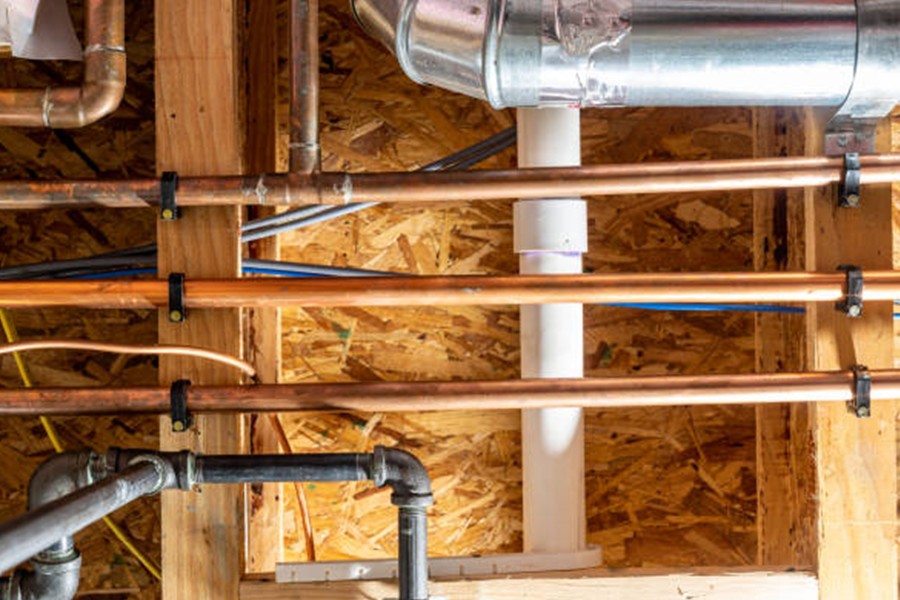
Residential plumbing has long operated on an out-of-sight, out-of-mind premise. Supply lines run quietly inside insulated wall cavities, drain stacks drop through floors unnoticed, and water heaters hum away in dark basement corners. Homeowners rarely think about their pipes until catastrophic damage demands immediate attention. A burst copper elbow, a split braided supply line behind a washing machine, or an undetected slab leak can cause thousands of dollars in structural damage and ruined finishes within a few hours.
The rise of connected residential plumbing is quietly ending this reactive cycle. Rather than waiting for a water stain to blossom across a ceiling or an inflated municipal water bill to reveal a hidden leak, modern smart plumbing devices track flow rates, analyze line pressure, and flag mechanical vulnerabilities in real time. Integrating automated monitoring into your home infrastructure transforms plumbing from an unpredictable liability into a predictable, self-managing utility.
Whole-Home Flow Monitors and Automated Shutoff Systems
The most transformative addition to modern domestic plumbing is the inline smart water monitor. Installed directly on the incoming main water line shortly after the municipal meter or pressure-reducing valve, these units act as the primary brain of the entire plumbing system.
Devices like the Flo by Moen and Phyn Plus use ultrasonic flow sensors and high-frequency pressure transducers to measure the precise velocity and movement of water through your pipes. Unlike older mechanical turbine meters that required heavy water volume to register movement, modern ultrasonic arrays can detect a tiny drip occurring at a rate of just a few drops per minute.
The real utility of an inline monitor lies in its ability to run automated pressure decay tests. Every night, when household water use ceases, the unit closes its motorized ball valve momentarily to seal the home’s plumbing envelope. It then measures line pressure down to fractions of a pound per square inch. If the sealed system loses pressure over several minutes, it alerts the homeowner that a micro-leak exists somewhere in the network, whether from an aging pipe solder joint behind the drywall or a deteriorating toilet flapper wasting gallons into the waste pipe.
Crucially, these systems provide automated damage mitigation. If an anomaly suggests a catastrophic failure, such as a garden hose bursting or a freeze-induced pipe rupture while you are at work, the onboard software commands the internal motorized ball valve to sever the water supply within seconds. That single mechanical intervention can prevent tens of thousands of gallons of water from ruining hardwood floors, drywall, and subflooring.
Point-of-Use Smart Sensors for Targeted Protection
While whole-home inline monitors offer comprehensive network oversight, localized point-of-use sensors provide an affordable, accessible second layer of defense. These battery-powered pucks or strip sensors sit directly on the floor in high-risk zones: under kitchen sinks, beneath dishwasher kickplates, beside the water heater pan, and behind washing machines.
Modern leak pucks feature exposed brass or gold-plated contact pins on their undersides. The moment water touches two pins, the liquid closes the electrical circuit, instantly triggering a high-decibel local chime and broadcasting a push notification over Wi-Fi, Zigbee, or Thread to your smartphone.
Advanced installations link these point-of-use pucks directly with the central whole-home shutoff valve. If a puck tucked beneath the refrigerator ice-maker line detects standing water, it does not merely sound an alarm in an empty room; it sends an emergency shutoff command to the main incoming valve, stopping the leak at its source before moisture wicks into the subfloor.
Connected Water Heaters and Preventative Maintenance
Storage tank water heaters have a finite lifespan, typically lasting eight to twelve years before corrosive tap water compromises the inner steel vessel. Traditionally, a tank water heater announced its retirement by rupturing and emptying fifty gallons of hot water across the basement floor.
Smart water heating technology changes this timeline through proactive system diagnostics:
-
Corrosion and anode tracking: Modern hybrid electric and high-efficiency gas tanks integrate electronic sensors that track the electrical conductivity of the water and the wear rate of the sacrificial anode rod. Rather than guessing when your tank is becoming vulnerable to rust, the system alerts you when the anode rod requires replacement, extending the operating life of the tank by years.
-
Element and burner monitoring: Smart tanks monitor heating cycle efficiency. If mineral scale accumulates on the lower electric elements or coats the heat exchanger floor of a gas tank, the system detects the extended heating intervals and alerts you that the tank needs flushing before efficiency degrades further.
-
Vacation and demand scheduling: By learning household usage patterns, connected water heaters modulate water temperatures down when the home is unoccupied, reducing thermal standby losses and minimizing wear on heating components.
Smart Sump Pumps and Basement Defense
Basements and crawl spaces represent the most vulnerable square footage in any home during heavy seasonal rainstorms. Standard mechanical sump pumps depend on basic float switches that are notoriously prone to mechanical failure, jamming against pit walls or suffering from corroded electrical contacts.
Intelligent sump pump controllers solve this issue by replacing mechanical floats with dual solid-state liquid sensors that have no moving parts to foul. These units continuously calculate the rate of water rise inside the pit, track pump cycle runtimes, and monitor the electric motor’s amp draw. If the primary pump motor begins pulling excessive current, which indicates an impending bearing failure or impeller obstruction, the controller issues a maintenance alert before the storm arrives.
Furthermore, premium smart sump controllers include cellular connectivity and integrated backup power supplies. Even if a violent thunderhead takes down local power lines and disables your home Wi-Fi, the system switches to battery reserve and uses cellular networks to deliver real-time notifications regarding water levels, battery health, and secondary pump engagement.
Intelligent Fixtures and Automated Conservation
Beyond emergency protection, smart plumbing extends to daily fixtures, eliminating minor headaches and lowering operating overhead.
Smart recirculation loops tackle the frustrating wait for hot water at distant fixtures. Traditional recirculation setups run on basic timers that pump hot water continuously through copper loops, wasting energy and accelerating pipe erosion. Modern smart recirculation pumps use flow-sensing machine learning or proximity beacons to circulate hot water only when residents enter the bathroom, keeping supply pipes quiet, saving electricity, and conserving hundreds of gallons of water every month.
Similarly, smart toilets now incorporate internal optical sensors and flow restrictors within the tank. They continuously monitor tank refill duration and internal seal integrity, instantly notifying homeowners if a flapper fails to seal or if a fill valve begins overfilling the overflow tube.
Investing in smart plumbing is ultimately an exercise in proactive asset preservation. By outfitting your home with devices that monitor pressure, isolate line breaks, and track mechanical health, you remove the guesswork from home maintenance. You gain complete visibility over your water infrastructure, eliminate hidden utility waste, and ensure your home stays protected from one of the most destructive forces in residential ownership.