
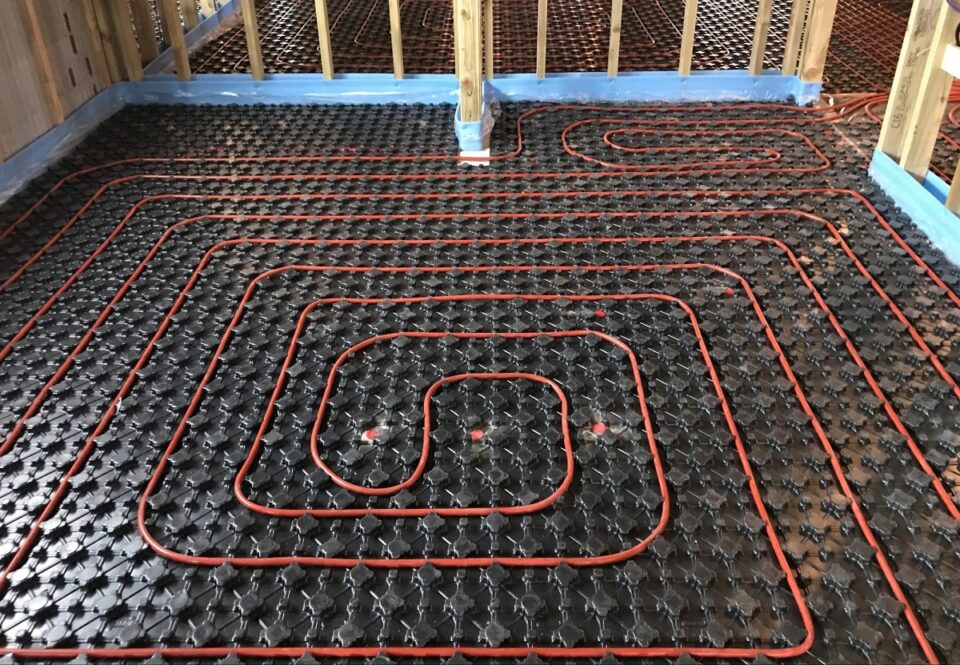
Most homeowners seek effective heating solutions that won’t drain their finances, and underfloor heating systems are becoming increasingly popular for this very reason. You might wonder if Radiator Outlet’s affordable options can provide the warmth you need while staying within your budget. In this post, we’ll explore the advantages and practicality of budget-friendly underfloor heating, helping you make an informed decision to keep your space cozy without overspending.
The Economic Argument: Less Cost, More Comfort
Investing in underfloor heating can significantly enhance your comfort at home while remaining budget-friendly. This innovative heating solution distributes warmth evenly across your floor, eliminating cold spots commonly found in traditional heating systems. As a result, you may notice a reduced need for high thermostat settings, leading to lower energy bills. By choosing Radiator Outlet’s affordable range, you can achieve both comfort and savings without skimping on quality.
Breaking Down Underfloor Heating Costs
The initial cost of underfloor heating may appear daunting, but when calculated over time, it proves economical. Installation costs vary, but they often lead to savings on energy bills due to their efficient heating method. A typical electric underfloor heating system can cost between £30 and £60 per square meter, depending on specifications. However, considering the long-term energy efficiency benefits, the upfront investment becomes worthwhile.
Comparing Traditional Heating with Radiator Outlet’s Solutions
Traditional heating systems, such as radiators, primarily heat the air, resulting in uneven warmth and often higher energy consumption. In contrast, Radiator Outlet’s electric underfloor heating kits provide a more uniform warmth by heating the floor surface directly. This means you can enjoy consistent temperatures throughout your home without excessive usage of energy, ultimately translating to significant savings over time.
Cost Comparison: Traditional Heating vs. Underfloor Heating
| Feature | Traditional Heating | Radiator Outlet’s Underfloor Heating |
| Installation Cost | £40-£70 per square meter | £30-£60 per square meter |
| Energy Efficiency | Less efficient, higher energy bills | More efficient, lower energy bills |
| Comfort Level | Possible cold spots | Uniform heat distribution |
When comparing the long-term financial impacts between traditional heating and Radiator Outlet’s underfloor heating solutions, it’s clear that investing in underfloor systems can be advantageous. By ensuring consistent warmth and higher efficiency, you can ultimately reduce energy expenditure over the years. The initial cost may be surpassed by the savings seen in your heating bills, making it an attractive option for financially savvy homeowners.
Long-Term Savings: Traditional vs. Underfloor Heating
| Heating Type | Estimated Annual Running Costs |
| Traditional Radiators | £600 – £1,000 |
| Radiator Outlet’s Underfloor Heating | £400 – £800 |
Quality Assurance: Are Cheap Options Worth It?
Expanding your knowledge about quality assurance in electric underfloor heating can help you make informed decisions. With cheap options, you might question whether the savings are worth the potential compromises in performance or durability. Consider that low cost often correlates with lower quality materials, which could lead to more frequent repairs or replacements down the line. Your investment should strike a balance between affordability and reliability to ensure your home remains comfortably heated without excessive additional costs.
Evaluating Materials and Construction Standards
The materials used in underfloor heating systems directly impact their efficiency and lifespan. Assessing the construction standards can provide insight into the overall quality. For instance, systems utilizing high-grade PEX (cross-linked polyethylene) or robust aluminum composite pipes tend to offer superior thermal conductivity and durability compared to lower-grade alternatives. Ensuring that your chosen system meets industry benchmarks will help you secure a heating solution that lasts.
Industry Certifications and Endorsements
Certifications from reputable organizations play an important role in determining the quality and reliability of underfloor heating systems. Products that carry endorsements from bodies like the British standard (BSI) or the European Certification mark (CE) indicate compliance with rigorous safety and performance standards. Furthermore, these certifications often signify adherence to eco-friendly manufacturing practices, which can enhance your peace of mind regarding both sustainability and safety.
When examining industry certifications, consider those that signify third-party testing and verification, as not all badges hold the same weight. For example, look for endorsements from the Underfloor Heating Manufacturers Association (UHMA), as their standards ensure that products have undergone rigorous testing for efficiency and safety. This level of scrutiny guarantees that the underfloor heating solutions you consider not only meet established benchmarks but also deliver the performance you expect over time, potentially saving you from costly issues in the future.
Installation Insights: DIY vs. Professional Help
Choosing between a DIY installation and hiring professional help can significantly impact your underfloor heating project. If you have a knack for home improvement and the right tools, you might find the installation process manageable. However, for those unfamiliar with plumbing or electrical work, relying on experts can save you time and ensure a quality setup that adheres to safety standards.
Simplifying the Installation Process
Opting for DIY installation can streamline the process if you follow clear guidelines and utilize pre-designed kits. Step-by-step manuals included with most underfloor heating systems simplify tasks like layout planning and pipe laying, making it accessible for homeowners. Make sure to watch tutorial videos or read installation blogs to gain confidence before you start.
Cost Implications of Each Approach
Deciding on your installation method directly impacts your budget. Hiring professionals usually incurs a higher upfront cost due to labor fees, which can range from £300 to £800 depending on complexity. In contrast, a DIY approach saves you this expense, yet you run the risk of incurring costly mistakes if the system is installed incorrectly or if you require additional assistance later on.
Delving into the cost implications reveals that while DIY installations may save on labor, there are hidden expenses, including tools and potential replacement parts if errors occur. A professional’s expertise might feel like a significant investment upfront, but it often provides peace of mind and long-term reliability, which can translate to lower cumulative costs over time, especially if issues arise that require extensive repairs. The balance of skill, time, and potential future costs can help you decide the best route for your underfloor heating needs.
Living with Underfloor Heating: User Experiences and Recommendations
Understanding how homeowners experience underfloor heating can significantly enhance your decision-making. Feedback often highlights the even warmth produced, creating a cozy atmosphere throughout the space. Many users appreciate the aesthetic benefits of eliminating radiators, allowing for unrestricted design possibilities. However, some have noted the adjustment period, where their home requires a shift in temperature management, and patience is key as the system takes time to reach optimal performance.
Real-World Users Share Their Feedback
User experiences reveal a mix of satisfaction and learning opportunities. Many embrace underfloor heating for its energy efficiency, claiming a drop in their energy bills by as much as 15%. Additionally, individuals appreciate the comfort when stepping on warm tiles in bathrooms or kitchens during cold months. However, a few users discuss the stumbling block of installation complexity and urge careful planning to avoid oversight.
Common Mistakes and How to Avoid Them
Installation errors are a common theme among underfloor heating users. A lack of adequate insulation beneath the system can lead to heat loss and inefficiency. Additionally, underestimating the necessary thermal mass can result in inconsistent heating across your chosen space. It’s wise to consult with professionals and conduct thorough research to foresee potential pitfalls before diving in.
Many homeowners inadvertently neglect to invest in proper insulation, mistakenly believing the underfloor system alone will suffice. Without insulation, heat escapes downward instead of warming your home, negating the system’s benefits. Choosing the right thermal flooring material is equally vital; opting for carpets or padding can hamper heat transfer. To avoid setbacks, consult installation manuals and seek advice from experienced contractors who can guide you through the specifics of your setup and ensure optimal performance tailored to your home’s requirements.
Future-Proofing: Energy Efficiency and Sustainability
Underfloor heating systems are not just about comfort; they also play a significant role in future-proofing your home against rising energy costs and sustainability concerns. By utilizing smart thermostats and zoning, you can maintain optimal temperatures with minimal energy consumption. Investing in these systems ensures long-term benefits, reducing your carbon footprint while keeping your home cozy.
Impact of Underfloor Heating on Energy Bills
Your energy bills can see a noteworthy reduction with underfloor heating. This system heats up your rooms evenly, meaning you can operate at lower temperatures without sacrificing warmth, translating to savings that can reach up to 15-20% compared to traditional heating methods.
Eco-Friendly Materials and Practices
Many underfloor heating systems are built using eco-friendly materials that minimize environmental impact. From responsibly sourced insulation to low-impact heating cables, the choices you make can align with sustainability goals while enhancing efficiency.
Choosing eco-friendly materials not only supports sustainability but can also influence the overall performance of your heating system. For example, systems that use recycled materials can greatly reduce the demand for new resources, contributing to a smaller carbon footprint. Additionally, some manufacturers commit to minimizing waste during production, which further aligns with an eco-conscious lifestyle. Pairing these materials with energy-efficient installation practices ensures that your investment in underfloor heating adheres to modern environmental standards, making it a responsible choice for the future of your home.
Final Words
With these considerations, you can confidently explore Radiator Outlet .Co.UK’s affordable underfloor heating options that not only keep your home warm but also respect your budget. By carefully evaluating efficiency, installation, and long-term savings, you’ll find that investing in underfloor heating can be a practical solution to combat chilly temperatures. Ultimately, the right choice for your space can enhance comfort while remaining financially sensible.