
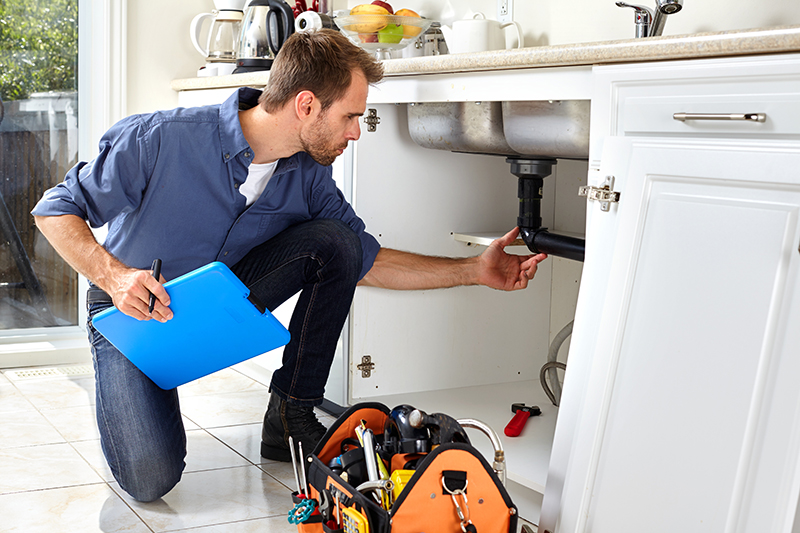
Plumbing systems quietly support daily life, but when something goes wrong, the consequences can be costly and even dangerous. From water damage to health hazards, small mistakes or neglect can quickly escalate. Following basic plumbing safety practices helps protect your home, your family, and your wallet.
Below are practical, no-nonsense plumbing safety tips every household should follow.
Know Where Your Main Water Shut-Off Valve Is
One of the most important plumbing safety steps is knowing how to stop the water supply in an emergency. A burst pipe or overflowing fixture can flood your home within minutes.
What you should do:
-
Locate the main water shut-off valve as soon as you move in
-
Test it once or twice a year to ensure it turns easily
-
Make sure all adult household members know where it is and how to use it
Quick action can prevent thousands of dollars in water damage.
Avoid Chemical Drain Cleaners
Chemical drain cleaners may seem like a fast solution, but they often cause more harm than good. These products can damage pipes, especially older or PVC plumbing, and release harmful fumes.
Safer alternatives include:
-
A plunger or drain snake
-
A mixture of baking soda and hot water
-
Professional drain cleaning when clogs persist
Using gentler methods extends the life of your plumbing and keeps indoor air safer.
Never Ignore Small Leaks
A slow drip might not look serious, but even minor leaks waste water and weaken pipes over time. Moisture buildup can also lead to mold growth and structural damage.
Check regularly for leaks around:
-
Under sinks
-
Toilets and faucet bases
-
Water heaters and exposed pipes
Fixing leaks early is one of the simplest ways to avoid major plumbing failures.
Be Careful What Goes Down the Drain
Many plumbing emergencies are caused by items that never should have entered the system. Toilets and drains are not disposal units.
Keep these out of your plumbing:
-
Grease, oil, and fat
-
Wet wipes, paper towels, and hygiene products
-
Coffee grounds and food scraps
-
Harsh chemicals and paint
Using sink strainers and being mindful of waste habits can prevent clogs and pipe damage.
Protect Pipes From Freezing
Frozen pipes are a serious safety risk, as they can burst and flood your home once they thaw. This is especially common in colder climates or poorly insulated areas.
Prevent freezing by:
-
Insulating exposed pipes
-
Sealing drafts near plumbing lines
-
Letting faucets drip slightly during extreme cold
-
Keeping indoor temperatures consistent
These simple steps can save you from sudden and expensive repairs.
Use Tools and DIY Repairs Carefully
Basic plumbing repairs are fine for homeowners, but safety should always come first. Incorrect fixes can worsen the problem or cause injury.
Before attempting any repair:
-
Turn off the water supply
-
Use proper tools designed for plumbing
-
Avoid overtightening fittings, which can crack pipes
-
Know when to stop and call a professional
If a repair feels uncertain, it’s safer to get expert help.
Schedule Regular Plumbing Inspections
Routine inspections help catch hidden issues before they become emergencies. Older homes, in particular, benefit from professional assessments.
Regular inspections can identify:
-
Corroded or aging pipes
-
Slow leaks inside walls
-
Water pressure problems
-
Early signs of sewer issues
Preventive maintenance is always cheaper than emergency repairs.
FAQs
How often should I inspect my home’s plumbing system?
A basic visual inspection should be done every few months, while professional inspections are recommended once a year.
Is low water pressure a safety concern?
Yes, sudden drops in water pressure can signal leaks, pipe blockages, or hidden damage that should be checked promptly.
Are older homes more at risk for plumbing issues?
Older homes often have aging pipes that may corrode or crack, making regular inspections especially important.
Can plumbing problems affect indoor air quality?
Yes, leaks and sewer gas issues can lead to mold growth and unpleasant or harmful odors inside the home.
What should I do if a pipe bursts?
Shut off the main water valve immediately, avoid electrical hazards, and contact a plumbing professional right away.
Is it safe to leave plumbing issues unattended if they seem minor?
No. Even small problems can escalate quickly and cause significant damage if ignored.
How can I teach kids basic plumbing safety?
Show them what not to flush or pour down drains and explain the importance of reporting leaks or unusual sounds.