
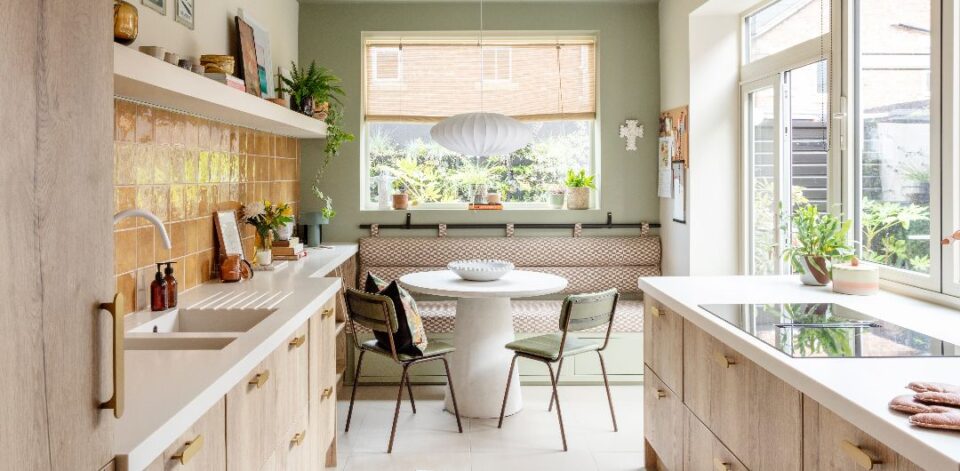
Designing a small kitchen can feel like solving a puzzle with too many pieces and not enough space. The good news is that with smart planning and thoughtful design choices, even the tiniest kitchen can become functional, stylish, and comfortable to use. Below are practical, proven small kitchen design tips that actually work in real homes—not just in magazines.
Prioritize Layout Before Anything Else
The layout determines how efficiently your kitchen works. In small spaces, every step matters.
Popular layouts that work well for small kitchens include:
-
Galley kitchens for narrow spaces
-
L-shaped layouts to maximize corner usage
-
Single-wall kitchens for studio apartments or open plans
Focus on keeping the sink, stove, and refrigerator within easy reach to reduce unnecessary movement and clutter.
Use Light Colors to Create Visual Space
Color plays a major role in how spacious a kitchen feels.
Best color strategies for small kitchens:
-
Stick to light shades like white, cream, soft gray, or pastel tones
-
Use matching colors for cabinets and walls to reduce visual breaks
-
Add subtle contrast with hardware or backsplash instead of bold cabinets
Light colors reflect more light, making the kitchen feel open and airy rather than boxed in.
Maximize Vertical Storage
When floor space is limited, vertical space becomes your best friend.
Smart vertical storage ideas:
-
Install cabinets that go all the way to the ceiling
-
Use open shelves for everyday items
-
Add hooks or rails for utensils and mugs
-
Utilize the space above refrigerators and doors
This approach keeps essentials accessible while freeing up valuable counter space.
Choose Multi-Functional Furniture and Appliances
Every item in a small kitchen should earn its place.
Look for multi-purpose solutions such as:
-
Pull-out cutting boards
-
Foldable or extendable countertops
-
Slim, compact appliances
-
Built-in microwave ovens instead of countertop models
These choices help maintain functionality without overcrowding the space.
Optimize Lighting for Depth and Clarity
Poor lighting can make a small kitchen feel cramped and gloomy.
Effective lighting tips include:
-
Layered lighting with ambient, task, and accent lights
-
Under-cabinet lighting to brighten work areas
-
Warm white LEDs to create a welcoming atmosphere
Good lighting not only improves visibility but also adds depth to the room.
Keep Countertops Clear and Clutter-Free
Visual clutter shrinks a space faster than anything else.
Simple ways to reduce clutter:
-
Store appliances inside cabinets when not in use
-
Use drawer organizers to keep tools tidy
-
Limit décor to one or two meaningful pieces
A clean countertop instantly makes the kitchen feel larger and more manageable.
Use Reflective Surfaces Strategically
Reflective elements bounce light around and enhance the feeling of space.
Effective reflective materials include:
-
Glossy cabinet finishes
-
Glass cabinet doors
-
Mirrored or metallic backsplashes
-
Polished stone countertops
When used subtly, these surfaces add brightness without overwhelming the design.
Opt for Handle-Free or Slim Hardware
Bulky handles can interrupt the visual flow in a small kitchen.
Better alternatives include:
-
Handle-less cabinets with push-to-open mechanisms
-
Recessed or slim-profile handles
-
Integrated pulls that blend into the cabinet design
These options create a cleaner, more streamlined appearance.
Maintain Visual Continuity With Flooring
Flooring can either open up or shrink a small kitchen.
Best flooring practices:
-
Use the same flooring in the kitchen and adjacent areas
-
Choose large-format tiles to reduce grout lines
-
Stick to neutral or light flooring tones
Consistency helps the kitchen blend seamlessly with the rest of the home.
Add Personality Without Overcrowding
A small kitchen doesn’t have to be boring.
Ways to add character without clutter:
-
A textured backsplash
-
A single accent wall
-
Stylish light fixtures
-
Natural elements like small plants or wooden details
The key is balance—personality should enhance the space, not overwhelm it.
Frequently Asked Questions
What is the best layout for a very small kitchen?
Galley and single-wall layouts are ideal for very small kitchens because they use space efficiently and maintain good workflow.
How can I make my small kitchen look bigger without remodeling?
Using light colors, adding better lighting, keeping counters clutter-free, and incorporating reflective surfaces can make a big difference without major renovations.
Are open shelves good for small kitchens?
Yes, open shelves can make a kitchen feel more open, but they should be used thoughtfully to avoid visual clutter.
What type of cabinets work best in small kitchens?
Full-height cabinets with a simple, flat-panel design work best as they maximize storage and keep the space visually clean.
Is it better to use glossy or matte finishes in small kitchens?
Glossy finishes tend to reflect light and can make a small kitchen feel larger, especially when paired with good lighting.
How do I add storage without making the kitchen feel crowded?
Focus on vertical storage, hidden organizers, and multi-functional furniture to increase storage without sacrificing space.
Can dark colors work in a small kitchen?
Yes, but they should be used sparingly, such as on an accent wall or lower cabinets, and balanced with light elements to prevent the space from feeling closed in.