
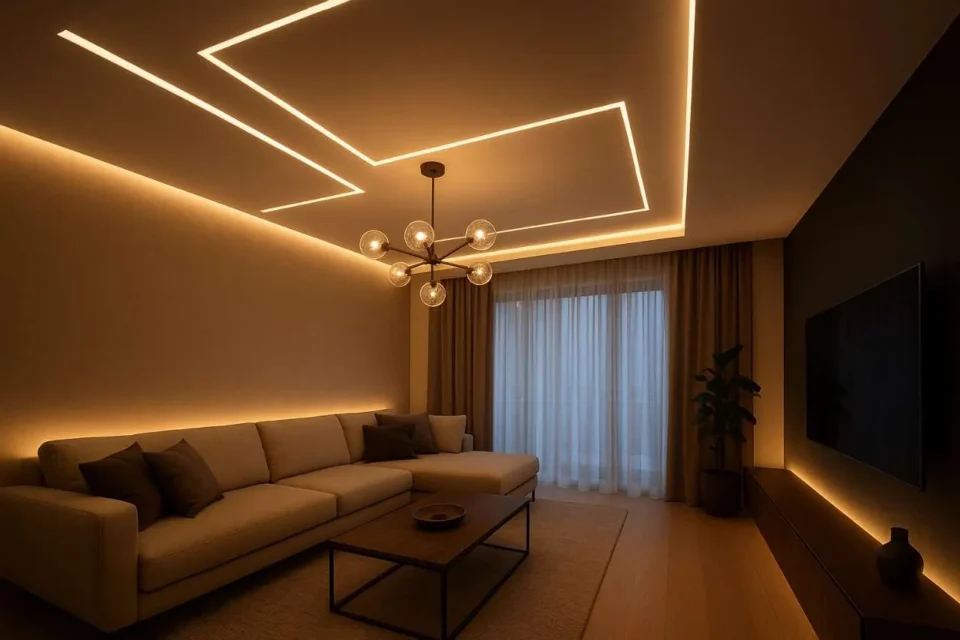
Lighting has the power to completely change how a space feels, functions, and even how large it appears. The right lighting strategy doesn’t just brighten a room—it shapes mood, highlights design, and adds personality. Whether you’re refreshing a single corner or rethinking your entire home, these lighting ideas can help you create spaces that feel intentional and inviting.
Layer Your Lighting for Depth and Balance
Relying on a single ceiling light often leaves rooms feeling flat and unwelcoming. Layered lighting combines different light sources to add depth and flexibility.
-
Ambient lighting provides overall illumination
-
Task lighting supports activities like reading or cooking
-
Accent lighting highlights architectural or decorative features
When layered thoughtfully, lighting adapts easily from work mode to relaxation mode without changing the room itself.
Statement Ceiling Lights as Design Anchors
A bold ceiling fixture can instantly define a room’s character. Chandeliers, sculptural pendants, or oversized lights act as functional art pieces while delivering strong illumination.
Pro tip: Choose fixtures that complement the room’s scale. Large rooms can handle dramatic designs, while compact spaces benefit from sleek, minimal shapes.
Use Accent Lighting to Highlight What Matters
Accent lighting draws attention to textures, art, and architectural details that might otherwise go unnoticed
Effective accent lighting ideas include:
-
Picture lights over artwork
-
Wall washers to emphasize texture
-
Spotlights for plants or sculptures
This approach adds visual interest without cluttering the room.
Floor and Table Lamps for Warmth and Flexibility
Portable lighting offers both function and atmosphere. Floor and table lamps are easy to move, making them ideal for evolving layouts or rented spaces.
They’re especially effective for:
-
Creating cozy reading corners
-
Softening harsh overhead light
-
Adding height variation to the room
Opt for warm-toned bulbs to enhance comfort, especially in bedrooms and living areas.
LED Strip Lighting for a Modern Touch
LED strip lighting adds a sleek, contemporary glow and works well in both subtle and dramatic applications.
Popular placements include:
-
Under kitchen cabinets
-
Behind headboards or TVs
-
Along ceiling coves or stair edges
These lights are energy-efficient and perfect for creating ambient effects without visible fixtures.
Make the Most of Natural Light
Artificial lighting works best when it complements natural light rather than competing with it. Maximizing daylight can instantly elevate a room.
Simple ways to enhance natural light:
-
Use sheer curtains instead of heavy drapes
-
Place mirrors opposite windows to reflect light
-
Choose lighter wall colors to bounce brightness
Daylight-balanced lighting during evenings helps maintain visual consistency.
Smart Lighting for Total Control
Smart lighting systems allow you to adjust brightness, color temperature, and timing with ease. This flexibility supports both productivity and relaxation.
Benefits of smart lighting include:
-
Dimmable settings for different moods
-
Automated schedules for daily routines
-
Voice or app-based control
Over time, smart lighting can also improve energy efficiency and reduce electricity costs.
FAQs
How do I choose the right light color for each room?
Warm light works best for living rooms and bedrooms, while cooler light is better for kitchens, bathrooms, and workspaces where clarity matters.
Can good lighting make a small room look bigger?
Yes. Using layered lighting, wall-mounted fixtures, and mirrors can create the illusion of more space and openness.
How many light sources should a room have?
Most rooms benefit from at least three sources: one ambient, one task, and one accent light for balance.
Are LED lights suitable for all rooms?
LED lights are versatile and energy-efficient, making them suitable for nearly every room when chosen with the correct brightness and color temperature.
What’s the best lighting for a home office?
A combination of overhead ambient lighting and focused task lighting reduces eye strain and improves concentration.
How can I update lighting without rewiring?
Use plug-in lamps, LED strips, battery-powered lights, and smart bulbs to refresh lighting without electrical work.
Is dimmable lighting worth it?
Absolutely. Dimmers provide flexibility, enhance comfort, and help save energy by reducing unnecessary brightness.