
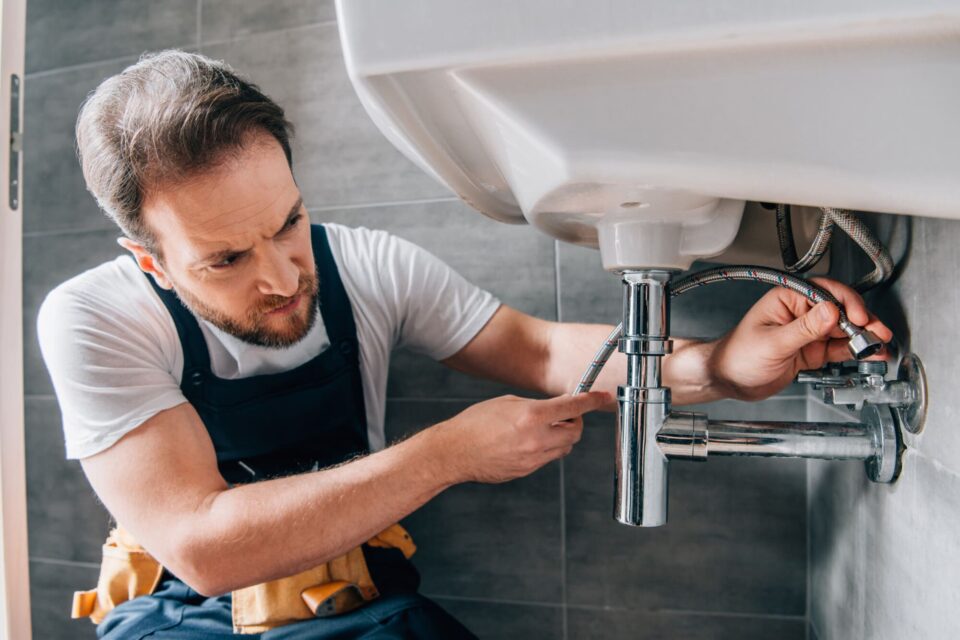
Plumbing is one of the most essential systems in any home or commercial property. It not only provides clean water but also ensures safe disposal of waste. Understanding plumbing basics, common issues, maintenance tips, and modern upgrades helps homeowners avoid costly repairs and keep their property in good condition. Whether you are planning renovations, fixing leaks, or exploring eco-friendly solutions, this detailed guide covers everything you need to know about plumbing.
The Importance of Plumbing in Everyday Life
Plumbing plays a critical role in ensuring hygiene, comfort, and convenience. Without a well-functioning system, daily activities such as cooking, cleaning, and bathing would be difficult. The keyword plumbing often comes to mind when people think about water supply, drainage, or emergency repairs. Early maintenance can prevent serious problems like burst pipes or water contamination.
Key Components of a Plumbing System
Every plumbing system has several vital parts that work together to deliver water and manage waste effectively.
Water Supply System
-
Pipes and valves: Transport water from the main supply into the property.
-
Water meters: Track consumption for billing purposes.
-
Taps and fixtures: Allow controlled flow of water for daily use.
Drainage and Waste System
-
Drain pipes: Remove wastewater from sinks, showers, and toilets.
-
Traps: Prevent foul odours from entering living spaces.
-
Sewer lines: Connect the property’s drainage to municipal systems.
Ventilation
Proper ventilation ensures smooth flow of wastewater and prevents pressure build-up inside pipes. Vent pipes help gases escape safely.
Appliances
Items such as boilers, dishwashers, and washing machines all connect to the plumbing network, requiring correct installation and regular checks.
Common Plumbing Problems and Their Causes
Even well-maintained systems encounter issues over time. Knowing the signs can help you take action quickly.
Leaky Taps and Fixtures
-
Worn-out washers or seals
-
Excessive water pressure
-
Corroded valve seats
Blocked Drains
-
Food waste and grease in kitchen sinks
-
Hair and soap scum in bathroom drains
-
Foreign objects flushed down toilets
Low Water Pressure
-
Mineral build-up inside pipes
-
Leaks in hidden areas
-
Faulty pressure regulators
Burst or Frozen Pipes
In colder climates, water can freeze inside pipes, leading to cracks and bursts. Proper insulation is essential in such conditions.
Running Toilets
Often caused by a worn flapper valve, constant water flow can waste thousands of litres per year.
Preventive Plumbing Maintenance
A proactive approach is the best way to avoid expensive emergencies.
-
Inspect pipes for leaks or corrosion regularly
-
Clean drains with natural solutions like baking soda and vinegar
-
Service boilers and water heaters annually
-
Install strainers in sinks to catch debris
-
Insulate pipes in cold weather
-
Check water pressure with a simple gauge
Modern Plumbing Solutions for Homes
Plumbing technology has advanced, offering homeowners more efficient and eco-friendly options.
Water-Saving Fixtures
Low-flow taps, showerheads, and dual-flush toilets help reduce water usage without sacrificing performance.
Tankless Water Heaters
Unlike traditional storage heaters, these provide hot water on demand, saving both space and energy.
Smart Plumbing Systems
Sensors detect leaks early, automatically shutting off the water supply to prevent damage.
Greywater Recycling
Systems that reuse wastewater from sinks and showers for garden irrigation can cut water bills significantly.
Eco-Friendly Piping Materials
PEX and copper pipes offer durability, flexibility, and resistance to corrosion, making them popular in modern installations.
Plumbing in Renovations and New Builds
When building or renovating, careful planning of the plumbing layout ensures long-term functionality.
-
Position bathrooms and kitchens close together to reduce piping costs
-
Allow easy access for maintenance by installing inspection points
-
Use separate lines for hot and cold water
-
Ensure compliance with local building codes and safety standards
-
Plan for future upgrades like rainwater harvesting or solar water heating
Hiring Professional Plumbing Services
While DIY fixes can solve minor issues, complex plumbing work requires trained experts. A professional plumber can:
-
Diagnose hidden leaks with specialised equipment
-
Install advanced heating systems safely
-
Replace old pipework with modern materials
-
Ensure compliance with health and safety standards
-
Provide guarantees on workmanship
Cost Considerations in Plumbing
Plumbing costs vary depending on the type of service, property size, and level of complexity.
-
Minor repairs: Fixing leaks or replacing taps is relatively affordable.
-
Major installations: New bathrooms, boiler replacements, or full system upgrades require higher budgets.
-
Emergency callouts: Unexpected leaks or burst pipes often involve premium charges.
Budgeting for both regular maintenance and unexpected repairs is a smart financial decision.
Health and Safety in Plumbing
Poorly maintained plumbing can lead to contamination, mould growth, and structural damage. Safe plumbing practices include:
-
Avoiding cross-connections between clean and waste water
-
Using certified, lead-free materials
-
Keeping water storage tanks covered and clean
-
Ensuring proper ventilation in confined spaces
The Future of Plumbing
The plumbing industry continues to evolve with sustainability at its core. From smart leak detectors to water recycling units, the focus is on reducing waste, cutting costs, and making properties more resilient. Homeowners who adopt these innovations early benefit from lower bills and increased property value.
Frequently Asked Questions
How often should plumbing systems be inspected?
It is recommended to carry out a professional inspection every 12–18 months, especially in older properties, to catch potential problems early.
Can I fix a leaking pipe myself?
Small leaks can sometimes be managed temporarily with tape or sealant, but a professional plumber should handle permanent repairs to avoid further damage.
Why does my water look cloudy?
Cloudiness is often caused by trapped air bubbles. If it persists, it may indicate sediment or mineral deposits in the supply line.
What is the average lifespan of plumbing pipes?
Copper pipes can last over 50 years, while PEX and PVC generally last 25–40 years depending on usage and water quality.
How can I prevent blocked drains?
Use sink strainers, avoid pouring grease down drains, and flush pipes occasionally with hot water mixed with vinegar.
Do smart water meters really help?
Yes, smart meters track consumption in real time, detect leaks, and provide usage insights that help reduce water bills.