
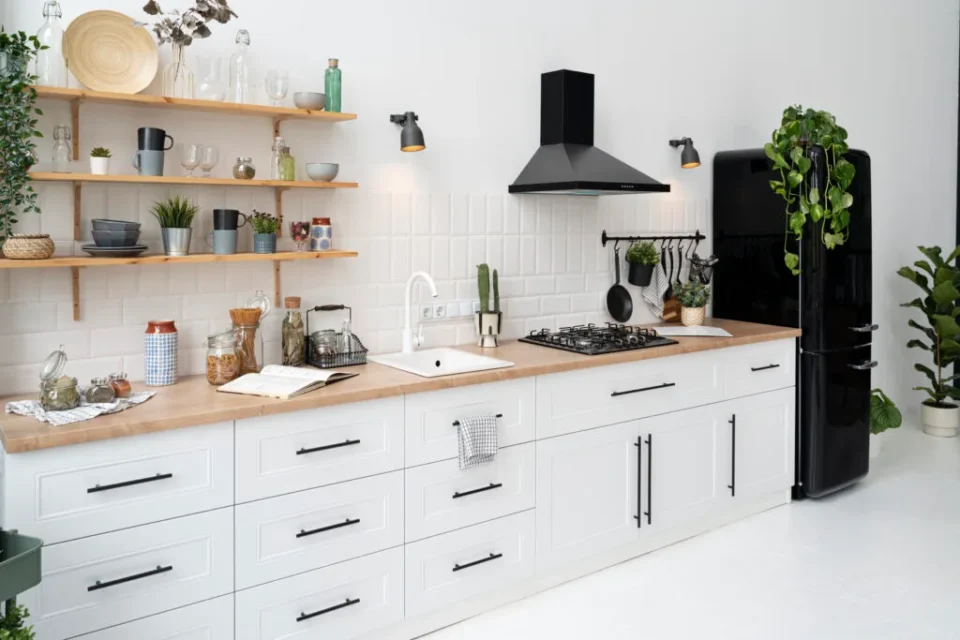
The kitchen has always been considered the heart of the home. It is where meals are prepared, families gather, and memories are created. A well-designed kitchen not only enhances daily functionality but also adds significant value to your property. Whether you are planning a full remodel, a minor upgrade, or simply looking for ways to refresh the space, understanding the fundamentals of kitchen design and organisation is essential.
The Importance of a Functional Kitchen
A kitchen is more than a place to cook; it is a hub of activity. For homeowners, having a space that combines style and practicality is key. A functional kitchen allows you to:
-
Move efficiently while cooking and cleaning
-
Store essentials without clutter
-
Entertain guests with ease
-
Enjoy a space that reflects your personality
The right design blends aesthetics with efficiency, making everyday tasks smoother and more enjoyable.
Key Layouts for Kitchens
The layout forms the backbone of any kitchen design. Choosing the right configuration depends on the size of your space, lifestyle, and preferences.
Single-Wall Kitchen
Perfect for compact homes and studio apartments, this layout positions all cabinets and appliances along one wall. It saves space while keeping everything within easy reach.
Galley Kitchen
Also known as a corridor kitchen, this layout uses two parallel walls. It is highly efficient, as it reduces unnecessary movement between zones. However, it requires thoughtful lighting to avoid feeling closed in.
L-Shaped Kitchen
This design maximises corner space and provides a natural flow. It works well in both small and large kitchens and often allows for the inclusion of a dining area.
U-Shaped Kitchen
Offering the most counter and storage space, the U-shape is ideal for larger families. It allows multiple people to work simultaneously without crowding.
Island Kitchen
Adding an island enhances functionality, providing extra prep space, storage, and even seating. It is especially popular in open-plan homes.
Storage Solutions That Transform Kitchens
Storage is often the biggest challenge in a kitchen. Clever solutions help maintain order and make the room more inviting.
-
Pull-out drawers for pots, pans, and utensils
-
Vertical dividers for baking trays and chopping boards
-
Lazy Susans for corner cabinets
-
Overhead racks for hanging pans and ladles
-
Built-in spice racks for easy access
The aim is to make storage accessible, logical, and tailored to your cooking habits.
Materials and Finishes
The choice of materials sets the tone of your kitchen. Durability, maintenance, and appearance should all be considered.
Countertops
-
Quartz: Low-maintenance and highly durable
-
Granite: Natural stone with unique patterns
-
Solid wood: Warm and characterful but requires upkeep
-
Laminate: Affordable and available in many styles
Cabinets
Opt for high-quality finishes such as hardwood, painted MDF, or laminate depending on your budget and style preferences. Neutral shades like white and grey are timeless, while bold colours like navy or forest green add personality.
Flooring
The kitchen floor must withstand spills, heavy traffic, and cleaning. Options include ceramic tiles, hardwood, and vinyl. Underfloor heating is also worth considering in colder climates.
Lighting for Ambience and Function
Lighting can completely transform the mood and usability of a kitchen.
-
Task lighting under cabinets for food preparation
-
Ambient lighting such as ceiling fixtures for overall brightness
-
Accent lighting to highlight architectural features or display cabinets
-
Pendant lights above islands or dining areas for a stylish focal point
A combination of lighting layers ensures the space is both practical and inviting.
Appliances and Technology in Modern Kitchens
Today’s kitchens benefit from technological innovation. Modern appliances are designed to save time, reduce energy use, and make cooking more enjoyable.
-
Induction hobs for fast, efficient cooking
-
Built-in ovens with smart features
-
Integrated dishwashers for a seamless look
-
Smart fridges that help track groceries and suggest recipes
Technology should enhance the space without overwhelming it. Consider built-in charging stations or discreet outlets for added convenience.
Colour Schemes and Style Choices
Your choice of colours sets the emotional tone of the kitchen. Light colours create a sense of openness, while darker tones add drama and sophistication.
-
Classic white kitchens feel bright and timeless
-
Earthy tones like beige and olive create warmth
-
Bold accents such as deep blue cabinets or metallic handles add flair
The key is to strike a balance between style and longevity, ensuring your kitchen does not feel outdated too quickly.
Maximising Small Kitchens
Small kitchens require creativity to make the most of limited space.
-
Use light colours to expand the room visually
-
Install mirrored or glossy surfaces to reflect light
-
Choose slim appliances
-
Consider foldable or extendable tables
-
Add open shelving to reduce bulk
These strategies transform compact spaces into functional and attractive areas.
Sustainability in Kitchen Design
Sustainability is increasingly important in modern kitchen design. Environmentally friendly options include:
-
Energy-efficient appliances
-
Recycled materials for countertops
-
LED lighting to cut electricity use
-
Water-saving taps
-
Locally sourced materials
Making sustainable choices benefits both your household and the environment.
Designing a Kitchen for Entertaining
For many, the kitchen doubles as a social space. To create a welcoming environment:
-
Add seating, such as bar stools at an island
-
Ensure good flow between kitchen and dining areas
-
Incorporate warm lighting for evening gatherings
-
Include a drinks fridge or wine rack
An entertaining-friendly kitchen strengthens the role of the home as a gathering place.
Common Mistakes to Avoid
When planning a kitchen, avoid these pitfalls:
-
Poor lighting choices that make the room dim
-
Insufficient storage leading to clutter
-
Overlooking ventilation, causing lingering smells
-
Choosing style over practicality in key areas
-
Ignoring workflow, making tasks harder
Thoughtful planning prevents costly errors and ensures long-term satisfaction.
FAQ Section
What is the most efficient kitchen layout?
The galley layout is often considered the most efficient, as it reduces unnecessary movement between work zones, but the best layout ultimately depends on your home and lifestyle.
How can I make my kitchen look bigger?
Using light colours, reflective surfaces, and open shelving creates a sense of spaciousness. Removing upper cabinets and adding large windows can also open up the room.
What countertop material lasts the longest?
Quartz is among the most durable materials, resistant to scratches, stains, and heat, making it an excellent choice for busy kitchens.
How can I update my kitchen without a full renovation?
Changing cabinet handles, repainting walls, upgrading lighting, and replacing taps can make a significant difference without the expense of a complete remodel.
What is the best flooring option for kitchens?
Porcelain or ceramic tiles are excellent because they are water-resistant, durable, and easy to clean. Vinyl is another practical choice for families.
How can I make my kitchen more sustainable?
Opt for energy-efficient appliances, LED lighting, and recycled materials. Installing water-saving taps and using eco-friendly cleaning products also help reduce your kitchen’s environmental footprint.