
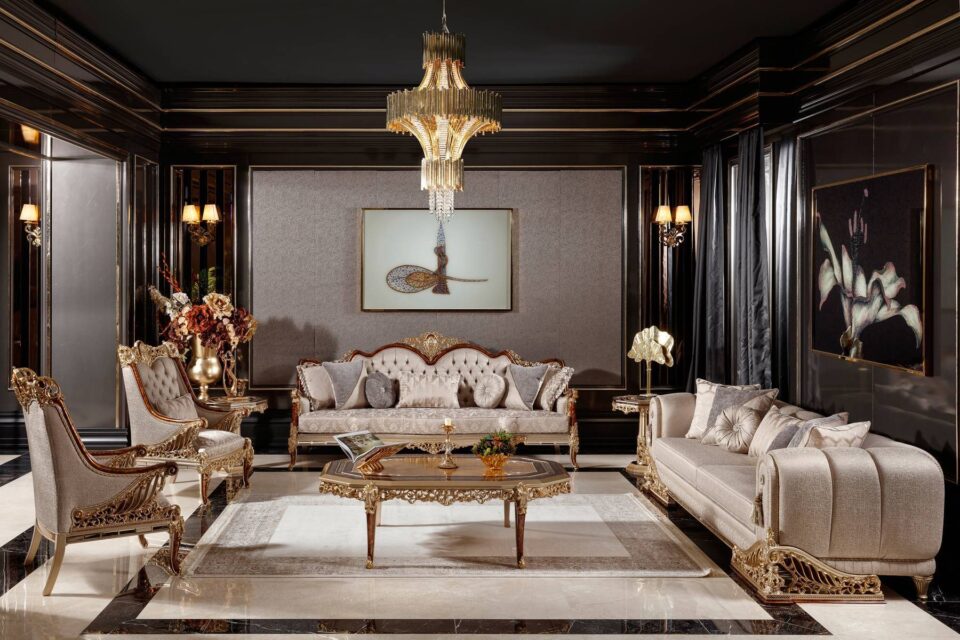
Introduction to Furniture
Furniture is one of the most essential aspects of any home, office, or commercial space. It not only provides functionality but also influences comfort, lifestyle, and overall design aesthetics. Choosing the right furniture can enhance the way you live, work, and interact in your surroundings. From classic wooden pieces to sleek modern designs, furniture reflects personal taste while meeting practical needs. For many homeowners, investing in high-quality furniture is more than just decoration; it is about creating spaces that support daily routines and long-term comfort.
The Role of Furniture in Everyday Life
Furniture plays a critical role in shaping how we use our spaces. In homes, it provides places to eat, sleep, relax, and store belongings. In offices, it supports productivity and organisation. In restaurants, hotels, and public places, furniture enhances guest experience and sets the tone for hospitality. Without well-designed furniture, even the most beautifully built space can feel incomplete.
Key Functions of Furniture
-
Comfort: Sofas, chairs, and beds designed for relaxation and proper posture.
-
Practicality: Tables, desks, and storage units that serve everyday needs.
-
Design Influence: Furniture acts as a central element of interior design.
-
Durability: Quality materials ensure long-lasting performance.
-
Flexibility: Modular and multifunctional furniture adapts to small spaces.
Types of Furniture for Different Spaces
Living Room Furniture
The living room is often the heart of the home. Popular choices include:
-
Sofas and sectionals for gatherings
-
Coffee tables and side tables
-
Entertainment units and shelving
-
Accent chairs for style and extra seating
Bedroom Furniture
In the bedroom, furniture defines comfort and relaxation:
-
Beds and mattresses for restful sleep
-
Wardrobes and dressers for storage
-
Bedside tables for convenience
-
Dressing tables and mirrors
Dining Room Furniture
Dining areas benefit from:
-
Sturdy dining tables in various shapes and sizes
-
Chairs designed for comfort during meals
-
Sideboards or cabinets for crockery storage
Office Furniture
Workspaces require:
-
Ergonomic office chairs
-
Desks with storage solutions
-
Shelves and filing cabinets
-
Meeting tables for collaboration
Outdoor Furniture
Garden or patio furniture brings functionality outside:
-
Weather-resistant tables and chairs
-
Loungers for relaxation
-
Storage benches and garden swings
Materials Used in Furniture
Different materials influence durability, style, and maintenance needs.
Wooden Furniture
-
Solid wood: Traditional, durable, timeless
-
Engineered wood: Affordable, versatile, lighter
-
Hardwoods (oak, teak, mahogany): Long-lasting
-
Softwoods (pine, cedar): Lightweight and cost-effective
Metal Furniture
-
Strong and durable
-
Often used in modern or industrial designs
-
Resistant to pests and damage
Upholstered Furniture
-
Adds comfort with fabrics, leather, or synthetic materials
-
Ideal for sofas, beds, and chairs
Glass and Acrylic Furniture
-
Offers a sleek and modern look
-
Easy to clean but requires careful handling
Choosing the Right Furniture
When buying new furniture, it is important to balance style with practicality.
Key Considerations
-
Space measurement: Ensure the furniture fits without overcrowding.
-
Lifestyle needs: Families may prefer durable and easy-to-clean materials.
-
Budget: Invest wisely in long-term pieces such as beds or dining tables.
-
Design theme: Match furniture to overall interior style.
-
Functionality: Look for multipurpose or modular designs.
Furniture Trends for Modern Homes
Trends shift as lifestyles and design preferences evolve. Currently, many homeowners are embracing:
-
Minimalist designs: Clean lines and clutter-free arrangements
-
Sustainable furniture: Eco-friendly materials like reclaimed wood
-
Smart furniture: Technology-integrated designs such as charging tables
-
Multifunctional pieces: Sofa beds, extendable dining tables, storage ottomans
-
Bold statement pieces: Unique chairs, colourful upholstery, artistic coffee tables
Caring for Furniture
Proper care extends the life of furniture and maintains its appeal.
General Maintenance Tips
-
Dust wooden surfaces regularly
-
Use coasters and mats to prevent stains
-
Rotate cushions and mattresses for even wear
-
Clean spills immediately to avoid permanent damage
-
Protect outdoor furniture with covers
Special Care by Material
-
Wood: Occasional polishing and avoiding direct sunlight
-
Fabric: Vacuuming and professional cleaning
-
Leather: Conditioning to prevent cracks
-
Metal: Rust prevention treatments
-
Glass: Regular cleaning with non-abrasive solutions
The Importance of Furniture in Interior Design
Interior designers often consider furniture the foundation of a room. The right choices can:
-
Define zones within open-plan spaces
-
Create balance and symmetry
-
Add personality with colours and textures
-
Maximise space with practical arrangements
-
Elevate comfort while maintaining aesthetics
The Future of Furniture
The furniture industry is moving towards sustainability and innovation. With the rise of smaller living spaces, demand for foldable, modular, and multipurpose designs is increasing. Smart homes are also encouraging furniture makers to integrate features like built-in charging points, hidden storage, and adaptable configurations.
FAQ on Furniture
What should I consider before buying new furniture?
You should measure your space, set a budget, and think about how the piece will be used daily. Durability, style, and comfort are equally important.
How can I make small rooms look bigger with furniture?
Opt for multifunctional furniture, choose lighter colours, and avoid bulky pieces. Glass or acrylic tables also create a sense of openness.
What is the best material for long-lasting furniture?
Hardwoods like oak, teak, or mahogany are excellent for durability. Metal frames are also highly reliable, especially for modern furniture.
How do I keep fabric sofas clean?
Vacuum regularly, treat stains immediately, and consider removable washable covers for convenience. Professional deep cleaning once a year is recommended.
Is sustainable furniture worth the investment?
Yes, eco-friendly furniture is not only better for the environment but also often made with higher quality craftsmanship, ensuring long-term use.
How often should I replace my mattress or sofa?
A good mattress should be replaced every 7–10 years, while sofas typically last between 7–15 years depending on usage and build quality.