
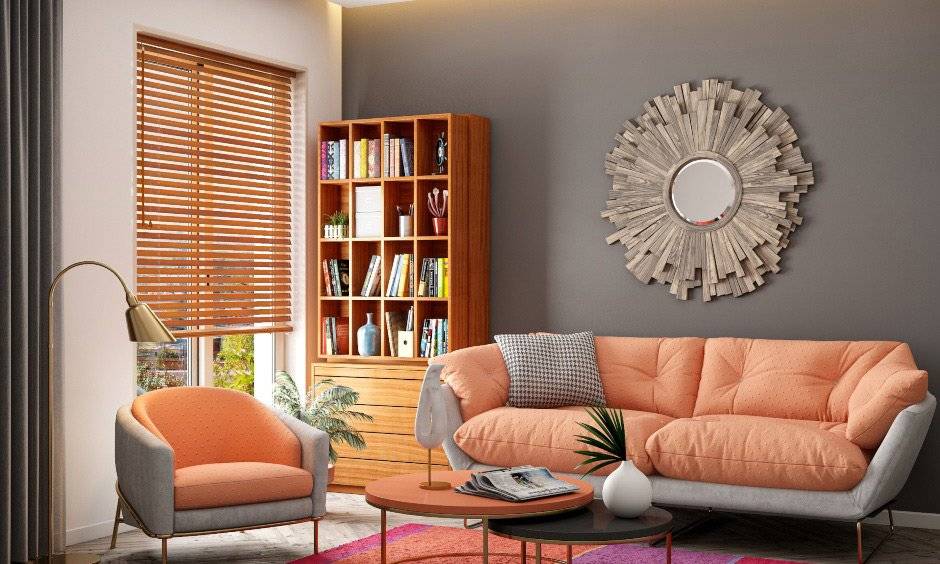
Creating a home that feels stylish, comfortable, and welcoming does not require a complete renovation. With the right decor tips, you can transform any space into one that reflects your personality and enhances daily living. Whether you are working with a modern flat, a traditional house, or a rented apartment, carefully chosen decorative touches can make a world of difference. These practical suggestions will guide you in designing spaces that are both functional and visually appealing.
The Importance of Decor in Everyday Life
Home decor is more than just arranging furniture. It sets the mood of your living environment and impacts how you feel day to day. Thoughtful decoration can boost productivity, encourage relaxation, and even create better social experiences when hosting friends or family. By using the right decor tips early in the design process, you can avoid common mistakes and enjoy long-lasting style.
Planning Your Home Decor
Define Your Style
Start by identifying your preferred design style. Do you enjoy minimalist, rustic, traditional, or eclectic interiors? Once you define your taste, you will be able to select colours, materials, and patterns that harmonise with your vision.
Consider Functionality
Decor should never come at the expense of comfort. Before choosing furniture or accessories, think about how you use each room. For instance:
-
A living room may require layered lighting for reading and relaxing.
-
A kitchen benefits from open shelving if you enjoy displaying cookware.
-
A bedroom might need blackout curtains for better sleep quality.
Budgeting Wisely
Decorating does not have to be expensive. Mixing affordable finds with one or two investment pieces creates balance. Prioritise high-quality items for pieces that experience heavy use, like sofas, beds, or dining chairs.
Colour Schemes and Walls
Choosing Colours
Colours influence mood. Neutral palettes provide a timeless base, while bold shades bring energy. Pastel tones create a soothing atmosphere. To achieve balance:
-
Use a primary base colour.
-
Add a secondary tone for depth.
-
Incorporate an accent shade for vibrancy.
Wall Treatments
Paint is not the only option. Wallpaper, textured finishes, or even wood panelling can add interest. Accent walls highlight focal areas, while gallery walls of photographs or artwork bring personality.
Furniture Selection
Scale and Proportion
Furniture must fit the room’s proportions. Large pieces in small rooms can overwhelm, while tiny furniture in spacious areas feels misplaced. Measure carefully before purchasing.
Multipurpose Furniture
Especially useful in smaller homes, furniture with dual functions saves space. Examples include sofa beds, nesting tables, or ottomans with storage.
Arrangement
Arrange furniture to encourage conversation and maintain clear pathways. Floating furniture (placed away from the walls) often creates a more dynamic and cosy environment.
Lighting as a Design Feature
Lighting shapes the atmosphere of a room. Relying on a single overhead source can make a space feel flat. Instead, use layered lighting:
-
Ambient lighting for general illumination.
-
Task lighting for focused activities, such as reading or cooking.
-
Accent lighting to highlight artwork or architectural details.
Adding dimmers offers flexibility, allowing you to adjust brightness according to time of day or occasion.
Textiles and Fabrics
Soft Furnishings
Cushions, throws, and rugs soften hard surfaces and add warmth. Mixing textures such as linen, wool, or velvet prevents monotony.
Curtains and Blinds
Window treatments influence both privacy and style. Floor-to-ceiling curtains create height, while blinds are practical for kitchens and bathrooms.
Rugs
Area rugs help define spaces, especially in open-plan homes. They also provide comfort underfoot and reduce noise.
Accessories and Personal Touches
Accessories complete a room, making it feel lived-in. However, avoid clutter by selecting meaningful items.
-
Display collections, books, or souvenirs to tell your story.
-
Add mirrors to reflect light and create the illusion of space.
-
Use vases, bowls, or trays to organise smaller decorative pieces.
Indoor Plants and Natural Elements
Greenery breathes life into interiors. Plants improve air quality and bring natural beauty indoors. Choose low-maintenance varieties like succulents, snake plants, or peace lilies if you are new to gardening. Natural elements such as wooden furniture, stone accents, and woven baskets also add warmth.
Seasonal Updates
Refreshing decor with the seasons keeps your home feeling current without major expense. In summer, switch heavy fabrics for lighter cottons. In winter, bring out cosy wool blankets and warm-toned cushions. Small changes like this can dramatically shift the mood of your space.
Common Mistakes to Avoid
-
Overcrowding rooms with too much furniture.
-
Ignoring lighting variety.
-
Using décor items that do not align with the overall style.
-
Neglecting practical needs in favour of appearance.
-
Choosing items solely because they are on trend, rather than because they suit your lifestyle.
FAQ About Decor Tips
How can I make a small room look bigger with decor?
Use light colours on walls, mirrors to reflect space, and multi-functional furniture. Keeping pathways clear also prevents a cramped feeling.
What is the most affordable way to refresh a home?
Updating soft furnishings like cushions, curtains, and rugs can completely change a room without replacing major furniture. Adding new artwork or plants also makes a noticeable difference.
How do I mix patterns without clashing?
Stick to a cohesive colour palette and vary the scale of patterns. For example, pair a large floral design with small geometric prints to achieve harmony.
What decor tips help create a cosy atmosphere?
Warm lighting, layered textiles, and earthy tones instantly create comfort. Personal items like family photos or handmade crafts also add warmth.
Should I follow trends or stick to classics?
A balance is best. Choose timeless furniture pieces that last, and incorporate trends through accessories that can be swapped easily.
How important is lighting in decor?
Lighting is essential. It not only allows practical use of a space but also shapes mood. Layered lighting ensures flexibility and creates depth in any room.