
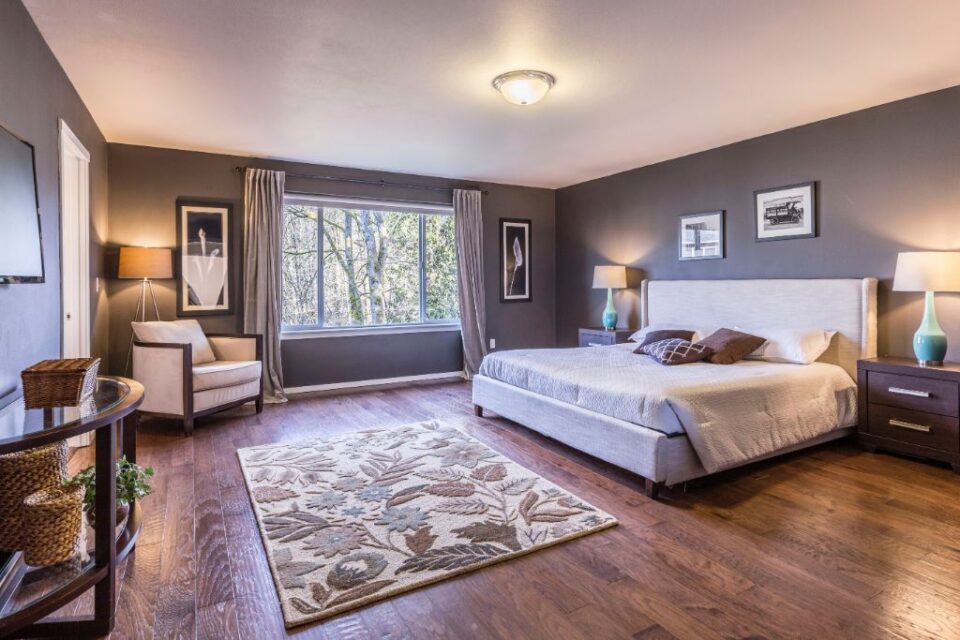
Creating a bedroom that is both stylish and restful requires a balance of design, comfort, and practicality. Since this space directly impacts sleep quality, relaxation, and overall wellbeing, careful planning is essential. This guide covers everything from layout and furniture selection to lighting, storage, and personal touches that make a bedroom feel like a true retreat.
The Importance of Bedroom Design
A bedroom is more than just a place to sleep. It is a personal sanctuary where you begin and end your day. The way you design and arrange this space affects your mood, your energy levels, and even your productivity. Using thoughtful design, you can transform a simple room into a calming, inviting haven.
Key Elements of a Well-Designed Bedroom
-
Comfort and relaxation as the primary focus
-
Balance between functionality and style
-
A layout that enhances space flow and accessibility
-
Proper use of colour, texture, and lighting
Choosing the Right Layout
The layout of your bedroom sets the tone for how the room feels and functions. A well-planned layout maximises space, avoids clutter, and ensures that movement in the room feels natural.
Bed Placement
The bed is the focal point of the room, so its placement is crucial.
-
Position the bed against a solid wall for a sense of stability.
-
Avoid placing it directly opposite the door, as this may feel exposed.
-
If space allows, centre the bed with nightstands on either side.
Furniture Arrangement
-
Place wardrobes and dressers where they do not block natural light.
-
Use mirrors strategically to reflect light and create the illusion of space.
-
Keep walkways clear to maintain flow and safety.
Selecting the Perfect Bed and Mattress
A comfortable bed is at the heart of every bedroom. When choosing, consider both style and ergonomics.
Bed Frames
-
Upholstered frames add softness and warmth.
-
Wooden frames bring a natural, timeless feel.
-
Metal frames work well in minimalist or industrial interiors.
Mattresses
-
Memory foam for body contouring support
-
Pocket sprung for balanced comfort and durability
-
Hybrid options for a mix of support and breathability
Investing in the right mattress can dramatically improve sleep quality and overall health.
Colour Schemes That Promote Rest
Colour influences mood, making it one of the most important design elements in a bedroom.
-
Soft neutrals like beige, ivory, or grey create a calming atmosphere.
-
Pastels such as light blue, sage green, or blush pink bring tranquillity.
-
Deep tones like navy or forest green work best in larger bedrooms for a cosy, cocooning effect.
For balance, combine soothing wall colours with textured textiles and natural accents.
Lighting That Enhances Ambience
Lighting transforms the way a bedroom feels and functions. The right mix of lighting adds both practicality and atmosphere.
Types of Bedroom Lighting
-
Ambient lighting: ceiling fixtures or chandeliers for general brightness.
-
Task lighting: bedside lamps, wall sconces, or reading lights.
-
Accent lighting: LED strips, spotlights, or candles for a soft glow.
Dimmable lights allow flexibility, shifting the room from energising brightness in the morning to a relaxing atmosphere at night.
Storage Solutions for a Clutter-Free Bedroom
Clutter disrupts relaxation, so clever storage is essential in bedroom design.
-
Use under-bed drawers or storage boxes to maximise hidden space.
-
Built-in wardrobes keep clothing and accessories organised.
-
Floating shelves or bedside tables save floor space while offering functionality.
-
Storage benches at the foot of the bed combine seating with hidden compartments.
Textiles and Soft Furnishings
Textiles add warmth, comfort, and personality to a bedroom. Layering fabrics creates depth and visual interest.
-
Bedding: Choose breathable, natural fabrics like cotton or linen.
-
Throws and cushions: Mix textures for a cosy, inviting look.
-
Rugs: Anchor the space while adding softness underfoot.
-
Curtains: Opt for blackout fabrics for better sleep or light sheers for an airy atmosphere.
Adding Personality with Decor
While comfort is essential, personal touches make the bedroom truly yours.
-
Hang artwork or photographs that inspire calmness and joy.
-
Use plants to introduce freshness and improve air quality.
-
Choose accessories like decorative trays, vases, or lamps that align with your style.
Creating a Multi-Functional Bedroom
Modern bedrooms often serve multiple purposes beyond sleeping. With thoughtful design, you can integrate different functions without compromising comfort.
-
Work corner: A small desk with good lighting for occasional work or study.
-
Reading nook: A comfortable chair by a window with a side table.
-
Exercise space: A yoga mat or compact equipment if space permits.
Small Bedroom Design Ideas
Designing small bedrooms requires smart strategies to make the space feel larger and more open.
-
Use mirrors to reflect light and expand the sense of space.
-
Opt for light-coloured walls and minimalist furniture.
-
Select multi-purpose furniture like storage beds or foldable desks.
-
Keep decor simple to avoid visual clutter.
Creating a Bedroom for Better Sleep
A well-designed bedroom encourages restful sleep, which is essential for health and wellbeing.
Tips for Sleep-Optimised Bedrooms
-
Keep technology out of the bedroom to reduce distractions.
-
Maintain a consistent temperature between 16–18°C.
-
Use blackout curtains to block external light.
-
Choose calming scents like lavender for relaxation.
Incorporating the Keyword Naturally
When planning your bedroom, think beyond just aesthetics. The way you design and furnish this space directly affects how restful and inviting it feels. Paying attention to details such as bed placement, lighting, and colour schemes ensures your bedroom becomes a place of true comfort.
Frequently Asked Questions
What is the best size bed for a standard bedroom?
A double or king-size bed works best for most standard bedrooms. The key is to ensure there is at least 60–70 cm of walking space around the bed for comfort.
How can I make my bedroom look more luxurious on a budget?
Add plush cushions, layer textured throws, use soft lighting, and include a statement mirror. These affordable touches elevate the overall look.
Should a bedroom have a carpet or hardwood flooring?
Both work well. Carpets add warmth and comfort underfoot, while hardwood floors are durable and easier to clean. Pairing hardwood with a large area rug gives the best of both.
What colours should I avoid in a bedroom?
Bright red, neon shades, and very bold patterns can feel overwhelming and may interfere with relaxation. Softer shades are generally more conducive to rest.
How can I create more storage in a small bedroom?
Use furniture with built-in storage, such as ottoman beds or bedside tables with drawers. Wall-mounted shelves are also a good option for maximising vertical space.
Is it better to have a TV in the bedroom?
It depends on lifestyle preferences, but for better sleep quality, many experts recommend avoiding screens in the bedroom. A reading corner or music system can be a healthier alternative.